 By Oscar James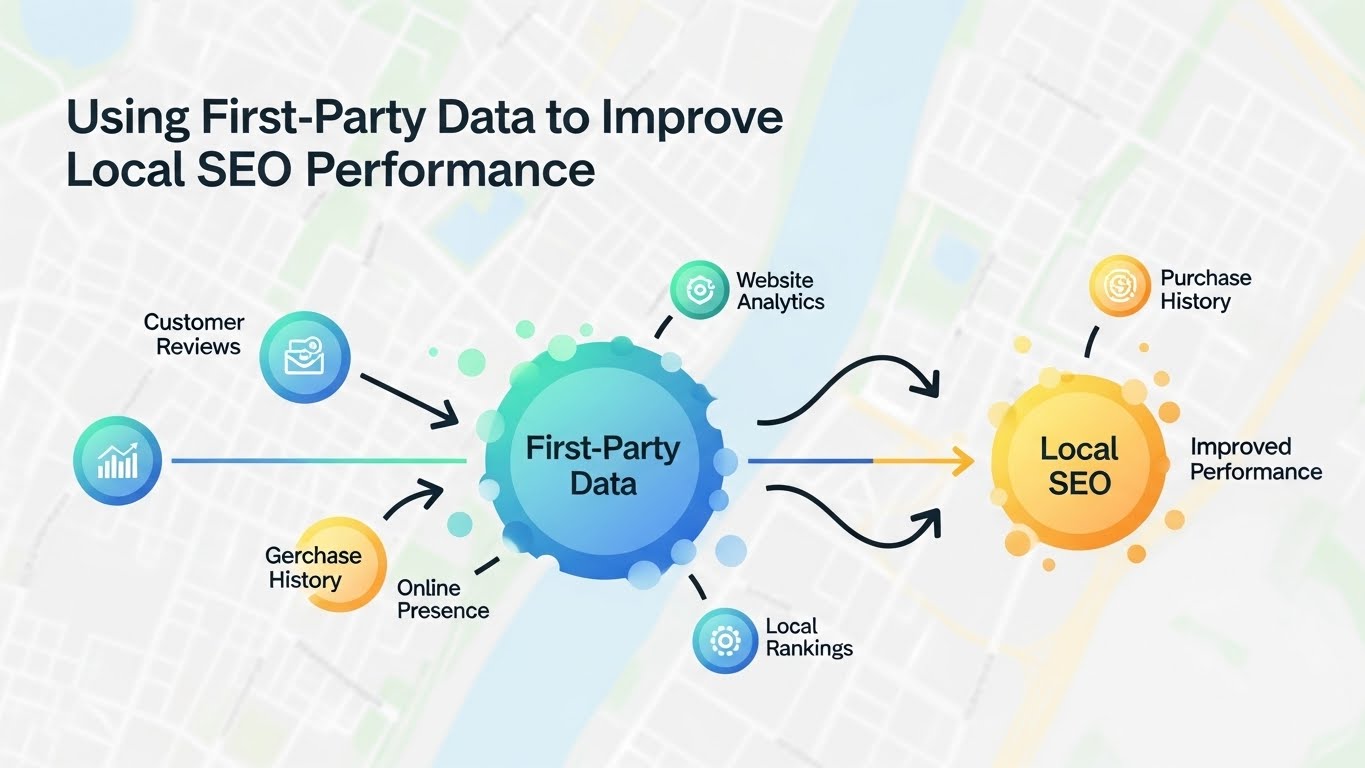
Local search engine optimisation plays a vital role in modern business visibility. Many companies chase rankings without understanding their audiences, while many strategies rely heavily on third party platforms. This reliance creates dependency and risk. As a result, first party data becomes extremely valuable.
First party data refers to information collected directly from customers. This information includes website behaviour, enquiry details, purchase history, and location signals. Businesses own this data fully.
So, let’s dig a little deeper and work like an SEO consultant in Melbourne.
Relevance and Trust Through Owned Customer Insights
Local SEO success depends on relevance and trust.
Search engines reward businesses that understand users deeply. First party data reveals genuine customer behaviour, and those iinsights outperform assumptions consistently. As a result, optimisation becomes precise.
Many marketers misunderstand data ownership. Third party data often lacks context and freshness, while first party data reflects real interactions. These interactions occur within controlled environments, so insight quality improves dramatically.
Hyperlocal Understanding Through Behavioural Patterns
Local businesses operate within specific geographic boundaries. First party data highlights hyperlocal behaviour patterns that show how users search and convert. These signals guide location-focused optimisation. As a result, visibility aligns with intent.
Website analytics form a core source of first party data. For example:
- Page visits reveal interest areas.
- ession duration shows content effectiveness.
- Exit points reveal friction.
So, websites become learning tools.
Using Heatmaps and Interaction Data to Improve Engagement
Heatmaps also provide behavioural clarity by showing scrolling and clicking patterns. These patterns reveal attention distribution and guide content placement. As a result, engagement improves.
Contact forms, for instance, generate valuable qualitative data. Form questions reveal customer priorities, while language used reveals urgency and awareness. This language also informs keyword strategy. This makes optimisation more user-aligned.
Phone Calls, Emails, and High-Intent Signals
Phone call data also matters greatly. Calls indicate high intent behaviour. Call timing reveals urgency cycles, and duration suggests seriousness and trust.
Email subscriptions represent another data source. Subscription choices reveal content interest, engagement rates reveal topic relevance, and unsubscribes reveal misalignment. All in all, your content strategy evolves intelligently.
CRM Insights and Customer Loyalty Signals
Customer relationship management systems store rich insights. CRM records track repeat behaviour that signals loyalty and satisfaction. This loyalty correlates with brand trust, and as a result, authority strengthens.
Local SEO also relies heavily on accurate intent matching. First party data clarifies intent types, which includes informational and transactional signals. Matching intent like this improves user satisfaction and, eventually, ranking stability.
Location Data and Proximity-Based Optimisation
Location based data improves proximity relevance and coverage.
- Address submissions reveal service areas.
- Postcodes reveal demand clusters.
- Cluster analysis guides local page creation.
Google also values user experience strongly. First party data measures experience quality. Bounce rates indicate dissatisfaction. Conversion paths reveal usability issues. So, optimisation becomes more experience-focused.
Refining Local Landing Pages With Data
Local landing pages benefit from data driven refinement. This data shows which sections engage users and which sections repel users. Using this data for refinement increases clarity and trust. As a result, performance improves.
First party data also supports content personalisation. It’s because personalised content increases relevance and engagement duration. The longer the engagement, the better your SEO is going to be.
Content Strategy and Review Intelligence
Local blog content improves through audience insight. For instance, this data reveals frequently asked questions that can inspire blog topics. Relevant blogs such as these can attract qualified visitors, improving traffic quality profoundly.
Customer reviews also generate first party insights. Review language reflects expectations and satisfaction, while themes reveal strengths and weaknesses. These themes inform page messaging.
Strengthening Local Visibility Through Engagement Signals
Responding to reviews also generates engagement signals that influence local visibility. Thoughtful responses build credibility and trust. As a result, click rates improve.
First party data improves keyword strategy naturally. Keywords emerge from customer language, which reflects real intent that outperforms generic research. So, one’s targeting accuracy improves.
Search Queries, Segmentation, and Intent Mapping
Search query data from analytics supports refinement.
Queries reveal unexpected phrasing and reveal opportunity. Opportunity drives competitive advantage, and as a result, reach expands.
Local SEO benefits from behavioural segmentation. It means grouping users by actions. For example, action based groups reveal intent stages, and intent stages guide content mapping. In the end, funnel alignment improves.
Privacy, Sustainability, and Future-Proof Strategy
Local SEO also benefits from email interaction data. Email clicks reveal service interest, inform page emphasis, and improve relevance. So, ranking signals strengthen.
Customer journey mapping relies on first party data. Journey mapping shows touchpoint sequence and reveals drop off points. This shows which drop offs must be fixed to improve flow and conversions.
First party data enhances accessibility improvements. Accessibility metrics show navigation difficulty that impacts satisfaction and engagement. These improvements broaden audience reach and inclusivity that supports SEO.
Privacy regulations increase first party data importance. Third party tracking faces restrictions, while first party data remains compliant and reliable. Reliability supports long term strategy.
Competitive Advantage Through Owned Data
Last but not least, local SEO strategies must adapt continuously. First party data updates constantly, revealing evolving behaviour. This guides adjustments, so the relevance quotient remains high.
Competitor analysis lacks personal insight, but first party data reveals unique audience traits. Unique traits differentiate brands and attract loyalty. As a result, one’s market position strengthens.
Conclusion
In conclusion, first party data transforms local SEO performance. This transformation requires attention and discipline. Data driven decisions outperform assumptions consistently. And ownership ensures accuracy and compliance. As a result, competitive advantage emerges for your business.
If you need further support with your local SEO, you can contact Make My Website. You will find the help you need instantly and effectively.