
 By Oscar James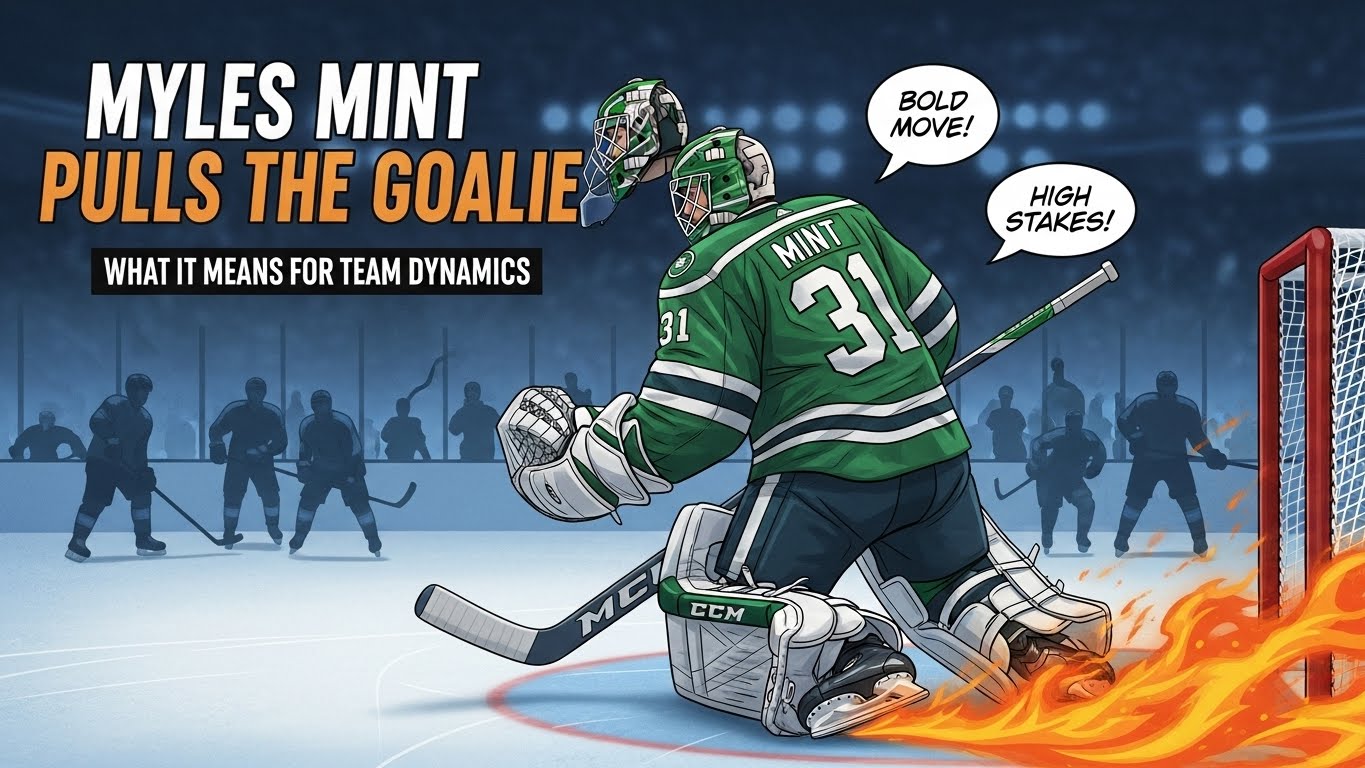
In the fast-paced world of sports, decisions can make or break a team’s success. One moment can shift the momentum entirely. Myles Mint, a name that has been buzzing in hockey circles lately, recently made one of those gutsy calls: pulling the goalie during a critical game. This bold move not only raised eyebrows but also sparked discussions about its implications for team dynamics. What does it mean when a coach like Mint takes such an audacious step? Let’s dive into this intriguing decision and explore how “Myles Mint pulls the goalie” might just be more than a tactical choice it could redefine relationships within the team itself.
What is Myles Mint Pulls the Goalie?
Myles Mint pulls the goalie, a phrase that’s causing quite a stir in the hockey community. It refers to a strategic decision made by Mint during an intense game when he chose to remove his goaltender in favor of an extra attacker.
This bold move is often executed late in games when teams are trailing and need that additional offensive push. By sacrificing defensive security, it opens up opportunities for scoring but also invites risks.
Mint’s choice was a gamble designed to shift momentum and rally team spirit. Fans watched with bated breath as the tension rose on the ice. The stakes were high, and every player felt the weight of this daring strategy.
It’s a pivotal moment not just for gameplay but for overall team dynamics, setting off ripples throughout the locker room long after final whistles sound.
The Impact on Team Dynamics
The decision to pull the goalie can send ripples through a team. It alters the dynamics on and off the ice. Players must quickly adjust to new roles, which can spark both excitement and anxiety.
Suddenly, everyone’s focus shifts. The energy in the locker room intensifies as teammates rally around their new goaltender. This shift creates an environment ripe for collaboration.
Yet, not all responses are positive. Some players may feel sidelined or undervalued if they disagree with the strategy. Tensions could arise, leading to fractures within team unity.
Communication becomes crucial during this time. How players express their feelings about the decision significantly shapes group morale and performance moving forward.
Navigating these changes requires emotional intelligence from both coaches and athletes alike. Balancing individual aspirations with collective goals is essential for fostering a supportive atmosphere amid uncertainty.
Positive Effects
When Myles Mint pulls the goalie, it often leads to a surge of adrenaline within the team. This pivotal moment can ignite a fire in players, pushing them to elevate their game.
With an empty net, everyone knows they must step up. This challenge fosters a sense of urgency and excitement. Players rally together, uniting under pressure.
Confidence grows as teammates see each other rising to the occasion. With every save or near-miss play, belief in one another strengthens. They become more resilient and willing to take risks.
Additionally, this bold move from Mint can create memorable moments that bond the team further. Celebrating close calls or impressive plays brings laughter and joy amid high stakes.
Through these shared experiences, players develop trust in one another’s abilities—an essential element for any successful sports team.
Boost in Confidence
When Myles Mint pulls the goalie, it sends a clear message to the entire team. It shows that he believes in their ability to rally and take control of the game. This act can ignite a spark within players.
Suddenly, each member feels empowered. They know the stakes are high, but so is their potential for greatness. This shift can lead to a newfound determination on the ice, where every pass and shot carries more weight.
With this surge of confidence comes an unspoken bond among teammates. They start trusting one another more deeply, willing to take risks they might have avoided before. Every save becomes vital; every goal feels achievable.
In moments like these, players often rise beyond expectations. The pressure transforms into motivation, pushing them toward victory as they share both triumphs and setbacks together.
Increased Team Cohesion
When Myles Mint decided to pull the goalie, it was a bold move that reverberated throughout the team. This action often serves as a rallying point for players. The urgency of the situation can forge stronger connections among teammates.
As everyone steps up their game, communication becomes vital. Players learn to read each other more effectively on and off the ice. They develop trust in one another’s abilities, knowing they have each other’s backs during high-pressure moments.
This shared experience fosters unity. Teammates become more attuned to both verbal and non-verbal cues, enhancing their overall gameplay.
The atmosphere shifts from individual performance to collective success. When every member feels invested in the outcome, it strengthens bonds that last beyond any single game or season.
Negative Effects
Pulling the goalie is a bold move, but it can also have negative repercussions. One potential issue is resentment among players. Some may feel sidelined or believe their efforts went unnoticed. This can lead to tension in the locker room.
Another concern arises for the new goaltender stepping into that crucial role. The pressure to perform immediately can be overwhelming, especially under high-stakes conditions. If they falter, it may impact not just their personal game but also how teammates view them.
These dynamics can create a ripple effect throughout the team, affecting morale and cohesion during critical moments in games. Players might second-guess each other’s decisions on the ice if they sense divisions forming off of it. Trust becomes essential; without it, performance suffers across all lines.
Potential for Resentment or Division
Pulling the goalie can be a game-changing decision, but it also comes with risks. One potential downside is the chance for resentment among teammates.
When Myles Mint made this bold move, some players might have questioned his judgment. They could feel that their efforts were undermined or that the coach didn’t trust them to hold their ground.
This division can create a rift in team morale. Players may start to focus on individual performance rather than collective success.
If not addressed promptly, these feelings can fester and lead to conflicts on and off the ice. Trust is essential in any sport; losing it could hinder future performances.
Navigating these emotions requires skillful leadership and open dialogue. Without proper communication, even well-intentioned decisions can backfire dramatically within a team’s dynamics.
Pressure on the New Goaltender
Stepping into the spotlight can be daunting, especially for a new goaltender. When Myles Mint pulls the goalie, it places the weight of expectation squarely on their shoulders.
This moment can create an intense atmosphere. The pressure to perform is amplified by fans’ hopes and teammates’ reliance on them in critical situations.
The newcomer may feel like every shot faced is scrutinized. Mistakes might seem magnified under such scrutiny, making it difficult to find their rhythm in what could be a high-stakes game.
Support from seasoned players becomes crucial during this time. Encouragement helps ease tension and fosters resilience as they adapt to their role.
Facing adversity head-on will test not only skill but also mental fortitude. How well they handle this pivotal moment can set the tone for future performances—and potentially reshape team dynamics moving forward.
Lessons Learned from Myles Mint’s Decision
Myles Mint’s decision to pull the goalie offers vital insights for teams in all sports. First, it highlights the need for clear communication among players and coaching staff. Everyone should be on the same page regarding strategies and game plans.
Flexibility is essential. The ability to adapt quickly during a match can make or break a team’s performance. Coaches must assess situations and trust their instincts.
Furthermore, this moment serves as a reminder of risk-taking in sports. Bold decisions can propel teams forward but also require careful consideration of potential consequences.
Fostering an environment where players feel comfortable voicing concerns enhances team dynamics. Open dialogue encourages collaboration and strengthens bonds within the group, ultimately leading to better performance on the field or rink.
The Importance of Communication and Team Collaboration in Sports
Communication is the backbone of any successful sports team. It fosters trust and understanding among players, allowing them to anticipate each other’s moves on and off the field.
When athletes openly share their thoughts, strategies, and concerns, they create an environment where everyone feels valued. This sense of belonging can motivate individuals to push beyond their limits.
Collaboration takes this a step further. By working together towards a common goal, teams can harness diverse skills and perspectives. This synergy often leads to innovative plays that can outsmart opponents.
Moreover, strong communication helps resolve conflicts quickly. Misunderstandings are inevitable in high-pressure environments; addressing them promptly keeps morale high.
In essence, effective dialogue encourages accountability while enhancing performance. Teams that prioritize these elements often find themselves achieving remarkable feats in competitions.
Other Examples of Bold
Sports are filled with moments of courage and bold decisions. Think of coach Herb Brooks, who selected a group of underdogs for the 1980 USA hockey team. His choice led to an unforgettable victory against the Soviet Union.
In basketball, Phil Jackson often employed unconventional strategies. He introduced the triangle offense with players like Michael Jordan and Kobe Bryant, transforming how teams approached the game.
Even in football, Bill Belichick’s decision to go for it on fourth down during critical moments has left fans in awe. These choices can redefine games and careers.
Such daring moves show that sports is not just about skill but also about making calculated risks. They inspire athletes at all levels to think outside the box, pushing boundaries beyond traditional norms.
Conclusion
Myles Mint Pulls the Goalie decision to pull the goalie was a bold move that sent ripples through the team dynamics. It showcased the delicate balance between risk and reward in sports. Such decisions can inspire confidence or create rifts, depending on how they are managed.
Communication plays a vital role in navigating these situations. When players understand their coach’s strategy and intentions, it fosters an environment of trust. Team collaboration becomes essential for overcoming challenges that arise from such high-pressure moments.
Looking at other examples of similar bold moves across various sports highlights the importance of calculated risks. Coaches must weigh potential outcomes against team morale when making crucial decisions like this one.
As teams evolve, learning from experiences like Myles Mint pulling the goalie will shape future strategies and interactions among teammates. The key lies not just in executing gameplay but also in nurturing relationships within the squad to succeed collectively.