
 By Oscar James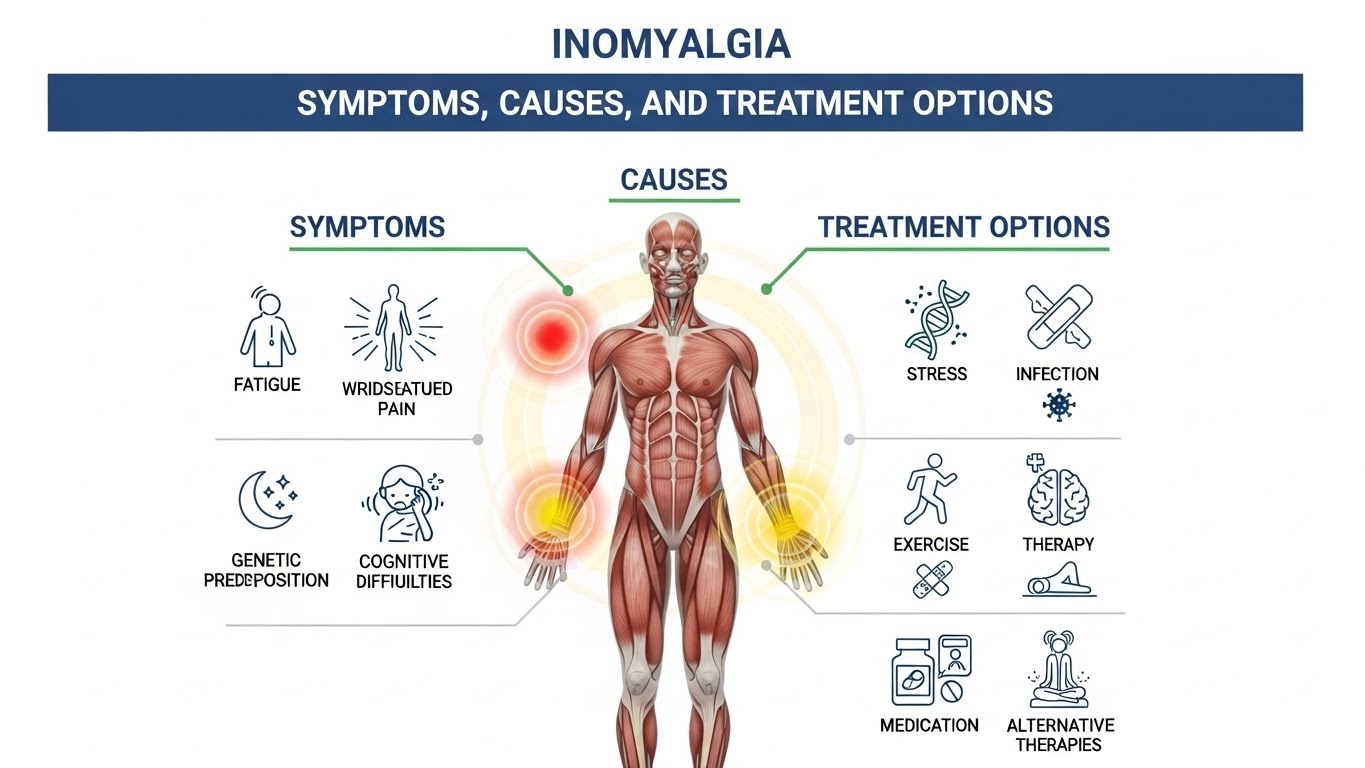
Living with chronic pain can feel like an uphill battle. One condition that often goes unnoticed, yet profoundly affects many lives, is Inomyalgia. This complex disorder can disrupt your daily routine and leave you feeling exhausted both physically and emotionally. If you’ve ever experienced unexplained aches or fatigue, you might find comfort in understanding this condition better.
Inomyalgia isn’t just about the pain; it encompasses a range of symptoms that impact overall well-being. Understanding what triggers these episodes can be the first step towards reclaiming control over your health. Whether you’re seeking answers for yourself or trying to support someone who suffers from this condition, knowledge is power.
Join us as we dive into the world of Inomyalgia—exploring its symptoms, causes, treatment options, and ways to manage life more effectively despite the challenges it presents. Let’s embark on a journey toward greater awareness and empowerment together!
What is Inomyalgia?
Inomyalgia is a chronic disorder characterized by widespread musculoskeletal pain. It often comes accompanied by fatigue, sleep disturbances, and cognitive difficulties commonly referred to as “fibro fog.” This condition can influence daily activities, making even simple tasks feel overwhelming.
What sets Inomyalgia apart is its elusive nature. The exact cause remains unclear, complicating diagnosis and treatment options. It tends to affect more women than men and can develop at any age.
People with Inomyalgia may experience varying symptoms that fluctuate in intensity over time. These fluctuations can be triggered by stress, changes in weather, or physical activity levels, adding another layer of complexity to managing the condition.
Understanding Inomyalgia requires recognizing it as more than just pain; it’s a multifaceted issue impacting mental health and quality of life.
Symptoms of Inomyalgia
Inomyalgia presents a range of symptoms that can vary from person to person. Fatigue is often one of the first signs, leaving individuals feeling drained even after adequate rest.
Muscle pain and stiffness are common complaints. These sensations can be widespread or localized, making daily activities challenging.
Sleep disturbances frequently accompany inomyalgia too. Many people report difficulty falling asleep or staying asleep, which exacerbates fatigue and discomfort.
Additionally, cognitive issues like memory lapses and trouble concentrating may arise. This phenomenon is sometimes referred to as “fibro fog.”
Other potential symptoms include headaches, irritable bowel syndrome (IBS), and heightened sensitivity to touch or temperature changes. Each symptom can impact quality of life significantly, making awareness crucial for those affected by this condition.
Common Causes of Inomyalgia
Inomyalgia can stem from various factors, making it a complex condition to understand. One common cause is genetic predisposition. If family members have experienced similar symptoms, the likelihood of developing inomyalgia may increase.
Environmental triggers also play a significant role. Exposure to certain toxins or prolonged stress can contribute to the onset of this condition. It’s essential to consider how your surroundings might impact your health.
Hormonal imbalances may further exacerbate symptoms. Changes in hormone levels due to aging or other medical conditions could influence pain perception and overall well-being.
Infections are another potential culprit, as they may trigger an immune response that leads to chronic pain. Some individuals report experiencing inflammation following infections like viral illnesses.
Lifestyle choices cannot be overlooked; poor diet and lack of exercise often lead to increased discomfort and fatigue associated with inomyalgia.
Diagnosis and Treatment Options
Diagnosing inomyalgia can be challenging. Healthcare providers typically rely on patient history and a physical examination to evaluate symptoms. Blood tests and imaging studies may help rule out other conditions, but there is no specific test for inomyalgia.
Treatment options vary widely, focusing primarily on symptom relief. Medications such as pain relievers or antidepressants may provide some comfort. Physical therapy can also play a crucial role by improving mobility and strengthening muscles.
Lifestyle changes are essential too. Regular exercise tailored to individual needs can alleviate symptoms significantly. Additionally, stress management techniques like meditation or yoga might enhance overall well-being.
For those seeking alternative approaches, acupuncture or chiropractic care have shown promise for some patients. It’s vital to work closely with healthcare professionals to determine the most effective treatment plan based on personal experiences and preferences.
Lifestyle Changes to Manage Symptoms
Managing inomyalgia often requires a holistic approach. Small lifestyle changes can make a significant difference.
Start with regular, gentle exercise. Activities like walking or swimming help improve flexibility and reduce stiffness. Aim for consistency rather than intensity.
Nutrition also plays a key role. Incorporate anti-inflammatory foods such as leafy greens, nuts, and fatty fish into your diet. Staying hydrated is equally essential; it helps maintain overall body function.
Sleep should not be overlooked either. Establishing a calming bedtime routine promotes better rest, which is crucial for recovery from fatigue associated with inomyalgia.
Consider stress management techniques like yoga or meditation to enhance emotional well-being. Mindfulness practices can lower pain levels and promote relaxation throughout the day.
Social support can significantly impact your journey too. Connecting with others who understand can provide comfort and encouragement during challenging times.
Alternative Therapies for Inomyalgia
Alternative therapies for inomyalgia can provide relief and enhance overall well-being. Many individuals turn to holistic approaches when conventional treatments fall short.
Acupuncture is gaining popularity among those seeking pain relief. This ancient technique involves inserting fine needles into specific points on the body, promoting energy flow and reducing tension.
Another option is yoga. The gentle stretching and mindfulness practices help improve flexibility while also calming the mind. Regular practice may decrease stress levels, a common trigger for flare-ups.
Herbal supplements like turmeric or ginger have anti-inflammatory properties that might aid in symptom management. Always consult with a healthcare provider before introducing new supplements into your routine.
Massage therapy can also be beneficial by targeting muscle tightness and improving circulation. It encourages relaxation, which is vital for managing chronic pain conditions like inomyalgia.
Exploring these alternative options could lead to finding what works best for you on your journey toward comfort and healing.
Coping with Inomyalgia: Tips and Support Systems
Coping with Inomyalgia can feel overwhelming at times, but there are strategies that can help. First and foremost, building a strong support network is crucial. Reach out to friends, family, or join local or online communities where you can share experiences and advice.
Establishing a daily routine also provides structure and predictability. Incorporate gentle exercises like yoga or stretching to maintain flexibility without overexerting yourself.
Mindfulness practices such as meditation and deep breathing techniques can reduce stress levels significantly. Connecting with your body on a deeper level may ease some discomfort.
Consider keeping a symptom journal to track triggers and patterns in your pain or fatigue. This not only helps you understand your condition better but also facilitates discussions with healthcare providers about effective management strategies.
Don’t hesitate to seek professional counseling if feelings of isolation emerge; mental health plays an essential role in coping effectively with chronic conditions like Inomyalgia.
Conclusion
Inomyalgia is a complex condition that can significantly impact daily life. Understanding its symptoms, causes, and treatment options is essential for effective management. By recognizing the signs early on and seeking proper diagnosis, individuals can find relief through various therapies.
Lifestyle changes play a crucial role in managing symptoms. Incorporating regular exercise, maintaining a balanced diet, and ensuring adequate sleep are all beneficial practices. Furthermore, exploring alternative therapies such as acupuncture or massage may provide additional comfort.
Coping with Inomyalgia often requires support from friends, family, or support groups. Sharing experiences and strategies can foster resilience and make the journey more manageable.
With awareness and proactive measures in place, those affected by Inomyalgia can navigate their challenges with greater ease and improve their quality of life over time. Embracing available resources empowers individuals to take charge of their health while fostering hope for better days ahead.