
 By Oscar James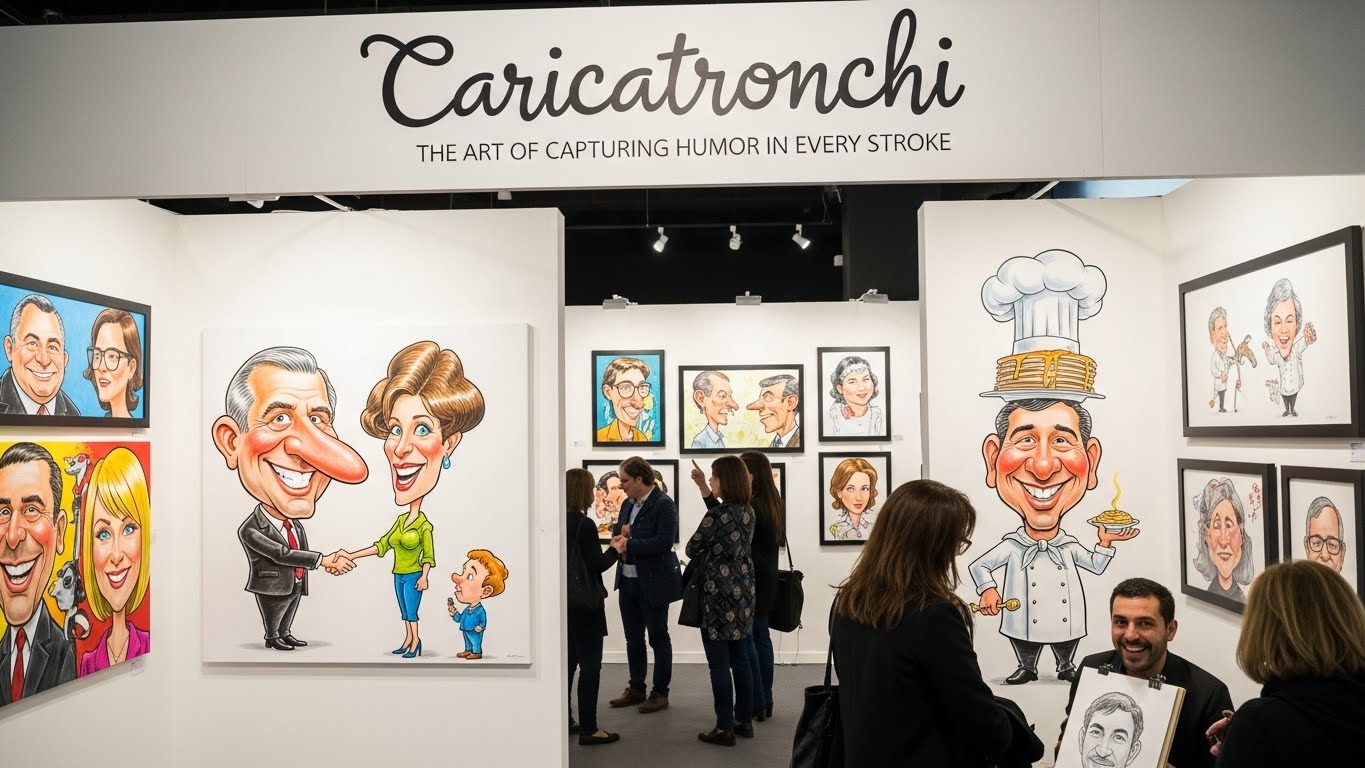
Caricatronchi is more than just a playful twist on portraiture; it’s an art form that breathes life into humor with every stroke of the pencil. Imagine capturing the essence of someone’s personality, quirks, and traits while making them chuckle at their own likeness. This unique blend of artistry and wit has evolved over centuries, giving birth to an array of styles and techniques in caricature art. Whether you’re a seasoned artist or someone who simply appreciates creativity, exploring Caricatronchi can open doors to endless possibilities in expression and connection through laughter. Let’s dive into this fascinating world where whimsy meets talent!
History and Evolution of Caricature Art
Caricature art has deep roots, tracing back to ancient civilizations. The Egyptians created exaggerated images of their rulers, capturing both power and humor.
During the Renaissance, artists like Leonardo da Vinci explored the playful side of portraiture. This era laid the groundwork for modern caricature with its focus on human expression.
The 18th century saw caricatures flourish in Europe. Satirical artists used them to comment on politics and society. They brought laughter while challenging authority.
As time progressed, techniques evolved too. Artists began using lithography and printmaking to reach wider audiences. This allowed their humorous creations to spread rapidly across continents.
In the 20th century, technology introduced new mediums such as digital art. Caricaturists embraced software tools that enabled easier manipulation of shapes and colors.
Today’s caricatronchi celebrates this rich history while pushing boundaries with innovative styles and concepts that continue to delight audiences everywhere.
Techniques and Tools for Creating Caricatures
Creating captivating caricatures requires a blend of creativity and the right tools. Artists often start with traditional sketching techniques using pencils or charcoal to capture initial ideas. This phase is crucial for establishing exaggerated features that resonate with humor.
Once the base is set, digital software like Adobe Illustrator or Procreate comes into play. These platforms allow artists to refine their strokes, experiment with colors, and easily manipulate shapes.
Brushes are just as essential; they come in various styles for different effects—from fine lines to bold strokes. Additionally, tablet devices offer pressure sensitivity, enabling artists to achieve depth and texture.
Reference images can also spark inspiration, helping artists enhance accuracy while retaining that playful twist characteristic of caricature art. Mixing these methods creates a style uniquely yours—a hallmark of great caricature work.
Finding Inspiration and Developing a Unique Style
Finding inspiration for Caricatronchi can come from everyday life. Observing people in cafes or parks often reveals the quirks that make each individual unique. It’s these little traits that spark creativity.
Experimentation is key in developing your own style. Try different techniques, explore various mediums like digital tools or traditional pencils, and don’t shy away from playful exaggeration. Each stroke should reflect your personal touch.
Look at existing caricature artists but aim to innovate rather than imitate. Combine elements you love with original ideas to create something fresh and engaging.
Nature can also be a muse—observe animals or landscapes and consider how their forms could inspire humorous interpretations of human features.
Keep a sketchbook handy to jot down thoughts, doodles, or snippets of dialogue that amuse you. This practice cultivates an ongoing relationship with your art and helps refine what makes your work distinctly yours.
The Importance of Capturing Humor in Caricatures
Humor is the heartbeat of caricature art. It transforms a simple portrait into an engaging story. By exaggerating features and adding playful elements, artists can evoke laughter and joy.
Capturing humor requires more than just skill; it demands a deep understanding of personality. The best caricatures reflect not only physical traits but also quirks that make people unique. This connection enhances relatability.
Moreover, humor serves as a bridge between the artist and the audience. A well-executed caricature draws viewers in, inviting them to share in the joke. It creates an instant bond through shared amusement.
In today’s fast-paced world, laughter is essential for relief from stress. Caricatures provide that escape, reminding us to embrace light-heartedness amidst life’s seriousness. Through every stroke, humor becomes a vital ingredient—a magic touch that makes artwork memorable and impactful.
Examples of Famous Caricature Artists and Their Work
Caricature art has flourished thanks to the talents of many iconic artists. One standout is Al Hirschfeld, known for his sharp lines and exaggerated expressions that brought Broadway stars to life. His intricate ink drawings are celebrated for their wit and detail.
Another influential figure is Honoré Daumier, who used caricature as a form of social commentary in 19th-century France. His work tackled political issues with humor, making serious messages accessible through playful visuals.
Then there’s Gerald Scarfe, famous for his work with The Sunday Times and Pink Floyd’s album art. His bold style captures the essence of personalities while delivering biting satire.
These artists have not only entertained but also shaped how we perceive caricature today. Their unique approaches demonstrate that humor can be both an art form and a powerful medium for expression.
The Growing Popularity of Caricatronchi in the Digital Age
Caricatronchi is experiencing a remarkable surge in popularity, thanks to the digital age. Social media platforms are flooded with humorous caricatures that bring smiles and laughter to audiences worldwide.
Artists can now share their work instantly with a global audience, breaking geographic boundaries. This accessibility fosters a vibrant community of creators and enthusiasts who connect over shared interests.
Digital tools have revolutionized how caricatures are created. Software like Adobe Illustrator and Procreate allows for precise editing and experimentation, attracting both seasoned artists and newcomers alike.
Moreover, online tutorials make it easier than ever to learn the craft. Aspiring artists can watch step-by-step guides from experts or participate in virtual workshops.
As people crave unique forms of entertainment, caricatronchi fits perfectly into this need for humor and creativity in our daily lives. It’s not just art; it’s a reflection of modern culture infused with laughter.
Tips for Beginners to Get Started with Caricature Art
Starting your journey in caricature art can be exciting and fulfilling. First, grab a sketchbook and some pencils. The best way to learn is through practice.
Begin by studying faces. Observe the unique features of friends or celebrities—big noses, wide smiles, or prominent cheekbones are all great starting points. Make quick sketches to capture their essence without worrying about perfection.
Experiment with different styles. Try exaggerating certain features while keeping others subtle. This will help you find what resonates with you.
Don’t shy away from using digital tools if you’re comfortable with them. Software can enhance your creativity and offer new opportunities for design.
Seek feedback from peers or online communities dedicated to caricature art. Constructive criticism can lead to significant improvements in your work over time.
Concluion
Caricatronchi represents a unique intersection of artistry and humor. As the art form continues to evolve, it invites both budding artists and seasoned professionals to explore their creativity. The techniques used in caricature drawing have expanded with modern tools, allowing for greater expression and engagement.
The influence of digital media has made Caricatronchi more accessible than ever before, enabling artists worldwide to share their work quickly. This shift not only democratizes the art but also fosters a vibrant community where ideas flourish.
For those eager to embark on this artistic journey, embracing your distinct style while maintaining an appreciation for humor is key. Whether you’re inspired by classic masters or contemporary innovators, there’s always room for personal expression in each stroke.
As we continue to celebrate and promote Caricatronchi, it becomes clear that this form of caricature art remains relevant capable of sparking joy and laughter across different generations. Engaging with this dynamic medium opens doors not just for individual growth but also contributes positively to our shared cultural tapestry.