
 By Oscar James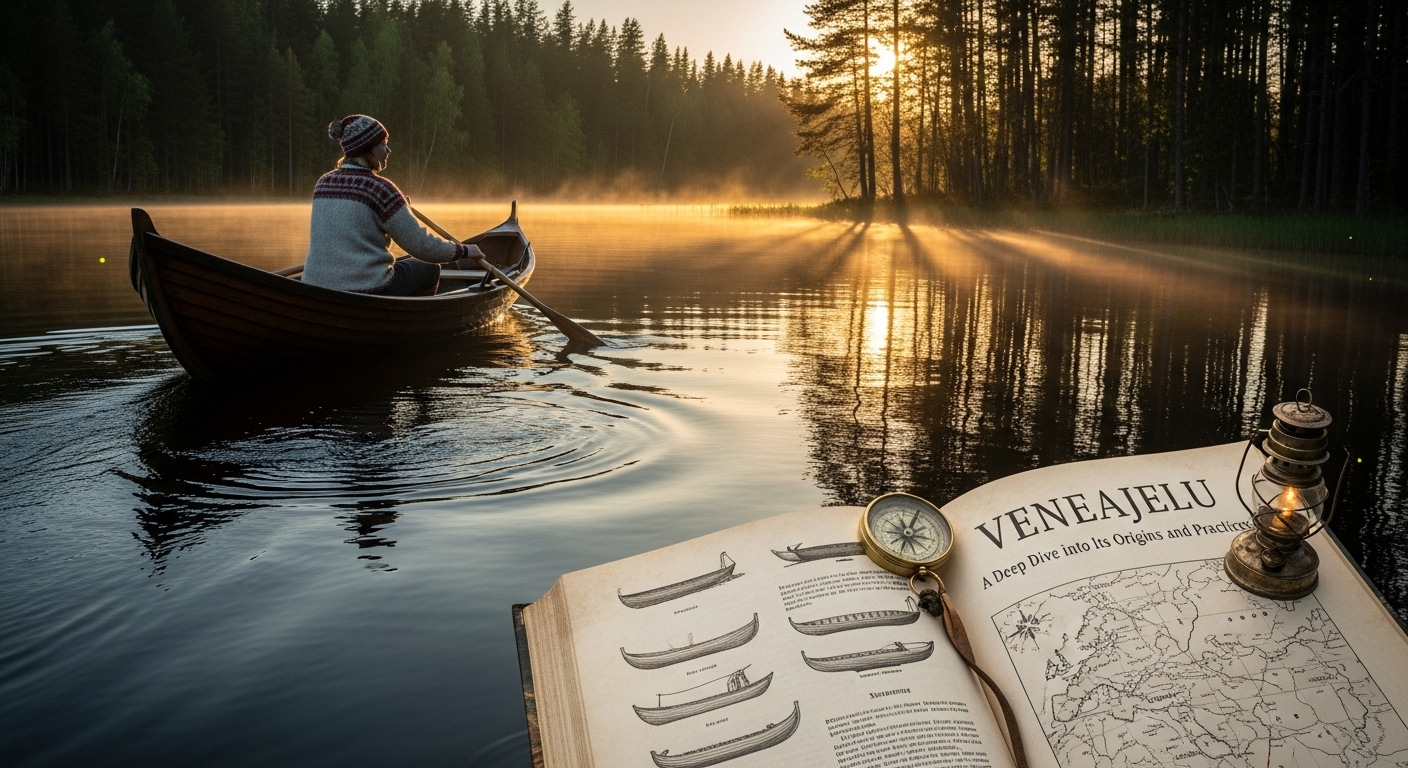
Veneajelu is more than just a term; it’s a cultural phenomenon rich with history and significance. For those unfamiliar, this fascinating practice offers a glimpse into the traditions of communities that cherish their heritage. Whether you’re curious about its origins or eager to understand how it has evolved over time, delve with us into the colorful world of Veneajelu. From ancient rituals to contemporary celebrations, let’s explore what makes this tradition stand out in today’s global landscape.
History of Veneajelu
Veneajelu has a rich history rooted in ancient traditions. This practice originated in the Nordic regions, where communities relied on saunas for relaxation and socializing.
The earliest records date back to Viking times when people gathered in wooden structures heated by stones. These early adaptations served both practical and spiritual purposes. They were seen as places of healing, cleansing, and rejuvenation.
As centuries passed, Veneajelu evolved with cultural influences from neighboring countries. Each region added its unique touch, incorporating local herbs and rituals into the experience.
By the 19th century, it became an essential part of Finnish culture. The tradition spread beyond borders as travelers shared their experiences.
Today’s Veneajelu is a blend of historical practices infused with modern wellness trends. It attracts enthusiasts worldwide who seek relaxation and connection through this timeless ritual.
Cultural Significance and Traditions
Veneajelu holds deep cultural significance in the communities where it thrives. Traditionally, this practice is more than just an event; it embodies a way of life.
Participants often engage in elaborate preparations that showcase their heritage. Music, dance, and storytelling are integral components, creating a vibrant tapestry of shared experience.
Families come together to pass down rituals that have been cherished for generations. This bonding moment strengthens community ties and fosters mutual respect among participants.
Each region may add its unique twist to Veneajelu traditions. Local customs influence the festivities, making each celebration distinct yet connected through common values.
Symbolism plays a vital role as well—each element chosen has meaning tied to history or nature. These layers enrich the experience and deepen appreciation for both past and present practices within diverse cultures.
Modern Day Practices and Adaptations
Modern practices of Veneajelu have evolved significantly while still honoring traditional roots. Today, many people integrate contemporary techniques into their rituals. This blend creates a rich tapestry that appeals to both purists and newcomers alike.
Social media has played a crucial role in this transformation. Enthusiasts share their experiences, tips, and variations, making the practice more accessible than ever. Online communities foster discussion about personal adaptations and local flavors of Veneajelu.
Moreover, wellness trends have brought attention to its benefits—stress relief and community bonding are often highlighted. Classes and workshops pop up regularly across urban centers as individuals seek authentic experiences.
As globalization continues to influence cultural practices, new generations reinterpret traditional elements. Whether through art or music inspired by Veneajelu themes, creativity flourishes within this evolving landscape. The spirit remains intact even as it transforms with each passing year.
Controversies Surrounding Veneajelu
Veneajelu has not been without its share of controversies. Some critics argue that the practice can promote a toxic culture around beauty standards. The emphasis on physical appearance may lead individuals to feel pressured to conform.
Moreover, discussions about consent have arisen in recent years. Many question whether participants fully understand the implications of undergoing such treatments or if they’re simply following societal pressure.
Environmental concerns also play a role in the debate. As Veneajelu gains popularity, some worry about the sustainability of resources used in products and procedures associated with it.
Additionally, there are debates surrounding regulations governing practitioners. Without stringent guidelines, risks increase for those seeking these services, raising questions about safety and ethical practices within this realm.
How Veneajelu is Celebrated Around the World
Veneajelu celebrations span across various cultures, each adding its unique flavor to the festivities. In Finland, for example, families gather by lakesides during summer months, indulging in picnics and outdoor games while enjoying beautiful sunsets.
In Estonia, the event takes a more communal approach. Local towns organize fairs featuring traditional music and dance performances. The atmosphere is vibrant with colorful decorations reflecting local craftsmanship.
Meanwhile, in Russia’s regions near water bodies, people partake in boat races that honor their maritime heritage. These competitions are thrilling to watch and bring communities together.
Australia also embraces Veneajelu with coastal events where surf lifesavers demonstrate skills alongside cultural exhibitions that celebrate indigenous practices related to waterways.
Across continents or oceans, what remains constant is the spirit of unity as participants come together not just to revel but also to pay homage to nature’s beauty and richness.
The Future of Veneajelu
The future of Veneajelu is poised for transformation. As global awareness grows, more people are curious about this unique practice.
Younger generations are embracing traditional elements while incorporating modern influences. This creates a dynamic fusion that keeps the essence alive but makes it relevant today.
Technology plays a role too. Social media platforms showcase celebrations and rituals, connecting enthusiasts worldwide. Virtual gatherings may emerge, allowing distant communities to participate in real-time.
Sustainability is another focus moving forward. Practitioners might seek eco-friendly methods and resources in their ceremonies, respecting both tradition and nature.
As cultural exchanges continue to flourish, we can expect cross-border adaptations of Veneajelu practices. This blend could enrich the experience while maintaining its core values.
How Veneajelu evolves will depend on those who carry its legacy into tomorrow’s world.
Conclusion
Veneajelu offers a captivating glimpse into a rich tradition that has evolved over the years. Its deep-rooted history is intertwined with cultural practices and beliefs, reflecting the values of communities across different regions. As modern adaptations emerge, they continue to keep this age-old practice alive while making it relevant for contemporary audiences.
With its growing recognition worldwide, Veneajelu stands at an exciting crossroads. The dialogue surrounding its authenticity and adaptation highlights the dynamic nature of cultural expressions. Whether celebrated in its traditional form or as part of new interpretations, Veneajelu embodies resilience and creativity.
As people continue to explore its significance and connect through shared experiences, there’s no doubt that Veneajelu will remain a cherished aspect of our global heritage for years to come.