
 By Oscar James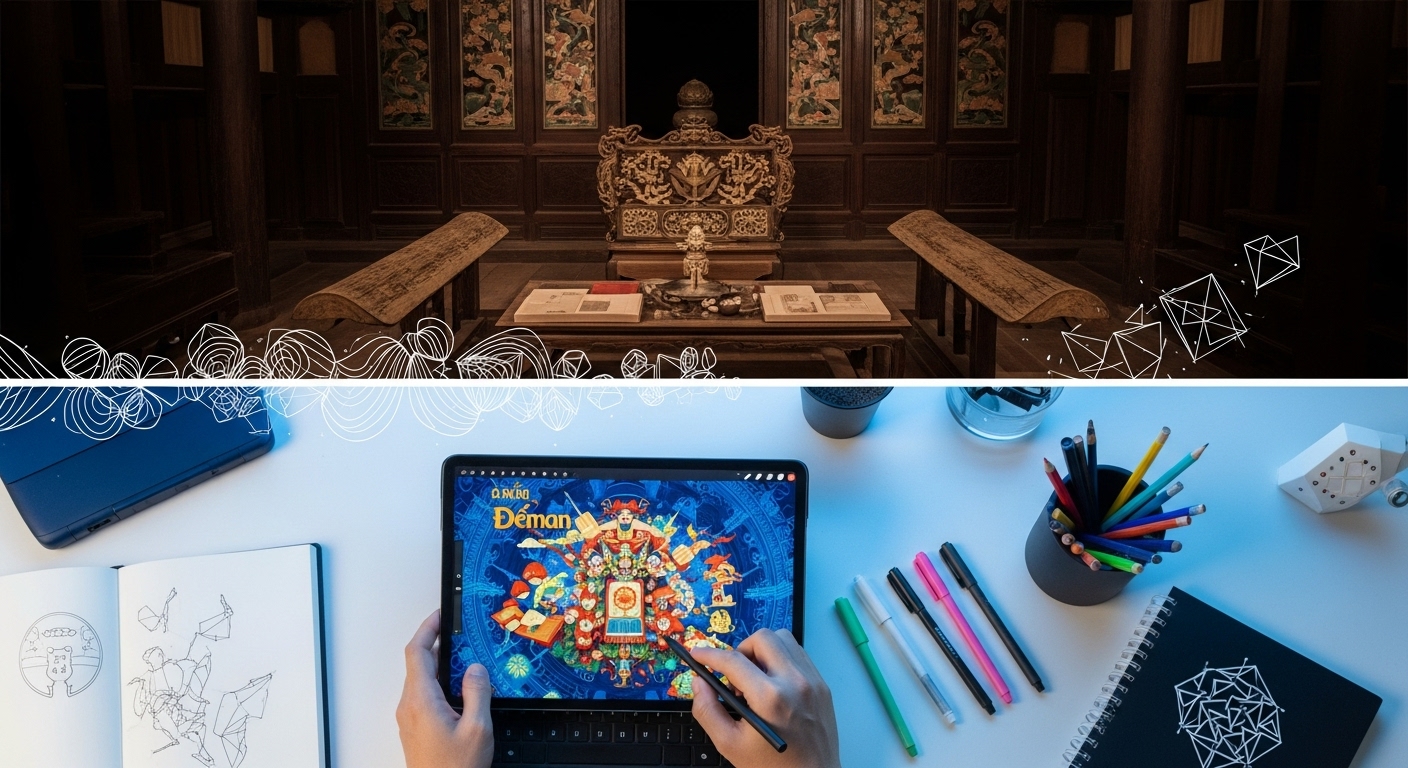
Đeman is more than just a traditional Vietnamese art form; it’s a vibrant tapestry woven into the culture and history of Vietnam. Picture a stage filled with colorful costumes, rhythmic movements, and soulful music that transports you to another time. This captivating performance art has roots deeply embedded in Vietnamese heritage, reflecting stories of love, struggle, and celebration.
As we delve into the world of Đeman, we’ll uncover its rich historical significance and explore how this ancient practice has evolved over the years. From its traditional origins to modern interpretations, Đeman continues to enchant audiences both locally and internationally. Join us on this journey through time as we celebrate an artistic expression that holds a mirror to Vietnam’s soul!
Historical and cultural significance of Đeman in Vietnam
Đeman holds a cherished place in Vietnamese culture, tracing its origins back hundreds of years. This traditional art form is not merely entertainment; it’s a reflection of the country’s history and collective identity.
Rooted in agricultural rituals, Đeman was originally performed during harvest festivals to honor deities and celebrate community life. The captivating rhythms and vibrant costumes embody the spirit of Vietnam’s rural heritage.
Each performance tells stories passed down through generations. They weave together folklore, moral lessons, and local customs that resonate deeply with audiences today.
Moreover, Đeman serves as a bridge between past and present. It fosters a sense of belonging among communities while keeping age-old traditions alive amidst rapid modernization. The unique blend of music, dance, and storytelling encapsulates what it means to be Vietnamese—resilient yet adaptable over time.
Evolution of Đeman from past to present
Đeman has undergone a remarkable transformation over the years. Initially rooted in communal rituals, its performances served as vital expressions of collective identity. Villagers would gather to celebrate seasonal changes and agricultural cycles through this captivating art form.
As time progressed, Đeman began to adapt to changing societal norms. It started incorporating elements from various regions, enriching its repertoire and enhancing its appeal. This blending resulted in diverse styles that reflect local histories and cultures.
In contemporary times, Đeman finds itself at a crossroads between tradition and innovation. Artists today are experimenting with modern themes while respecting core techniques. The use of technology in performances is also becoming more prevalent.
This evolution signifies not just an adaptation but a thriving continuation of cultural dialogue within Vietnamese society. The spirit of Đeman remains alive, bridging generations while embracing new artistic directions.
Techniques and styles used in Đeman performances
Đeman performances are a vibrant tapestry woven from various techniques and styles. Each performance showcases the intricate artistry involved.
One of the primary techniques involves rhythmic footwork, which creates a dynamic visual appeal. Dancers often use their feet to produce sounds, adding an auditory layer to the experience.
Costume plays a crucial role as well. Elaborate garments adorned with symbols tell stories without words. The colors and patterns reflect cultural heritage, enhancing each movement’s significance.
Improvisation is another hallmark of Đeman. Dancers often interact with the audience or adjust their routines based on live feedback, making every show unique.
Instruments accompany dancers throughout performances; traditional drums and flutes create melodies that resonate deeply within Vietnamese culture. This harmony between movement and sound amplifies the emotional impact of each act.
Through these diverse elements, Đeman captures both tradition and innovation in its expressive form.
Modern adaptations and innovations in Đeman
Modern adaptations of Đeman are reshaping its landscape, breathing new life into this traditional art form. Artists today experiment with contemporary themes and narratives, infusing fresh ideas while respecting historical roots.
The integration of modern technology has offered unique opportunities. Digital projections enhance performances, creating stunning visual effects that captivate audiences. This blend elevates storytelling to new heights.
Collaborations with other artistic disciplines have also emerged. Musicians incorporate various genres into Đeman, expanding its appeal beyond traditional boundaries. This fusion invites a younger generation to engage with the art form.
Workshops and community programs encourage participation from diverse groups. These initiatives help ensure that Đeman continues to evolve while fostering appreciation for its cultural heritage.
Through innovation, performers maintain relevance in a rapidly changing world without losing sight of what makes Đeman uniquely Vietnamese.
The role of Đeman in preserving Vietnamese culture
Đeman plays a vital role in preserving the essence of Vietnamese culture. This traditional art form is not just about performance; it embodies stories, values, and beliefs passed down through generations.
Through its melodies and movements, Đeman captures the heart of Vietnam’s rich heritage. Each performance reflects community life, showcasing customs that might otherwise fade away.
Moreover, it serves as an educational tool for younger generations. Engaging with Đeman allows youth to connect with their roots and understand their history deeply.
The art form also fosters a sense of national identity. In a rapidly globalizing world, Đeman stands as a testament to Vietnam’s uniqueness and resilience.
In local festivals and cultural events, this ancient practice brings people together. It strengthens bonds within communities while inviting outsiders to appreciate Vietnamese traditions in all their glory.
Conclusion: The enduring legacy of Đeman in Vietnam’s artistic landscape
The legacy of Đeman is woven deeply into the fabric of Vietnam’s artistic identity. This traditional art form not only showcases remarkable talent but also serves as a vessel for cultural storytelling. As evolves, it continues to resonate with both locals and international audiences, bridging generations through its rich narratives and captivating performances.
In an era where modernization often overshadows tradition, Đeman stands strong as a testament to Vietnam’s historical roots. It embodies resilience and adaptability, ensuring that timeless stories are told anew while honoring their origins. The commitment from artists and communities alike in preserving this unique heritage highlights the importance of cultural continuity.
As we witness innovations within the practice merging contemporary techniques with age-old traditions—the art form remains vibrant and relevant today. Its enduring presence reflects not just an appreciation for history but a celebration of Vietnamese culture itself. The future looks bright for , promising even more exciting developments on the horizon while staying true to its profound heritage.