
 By Oscar James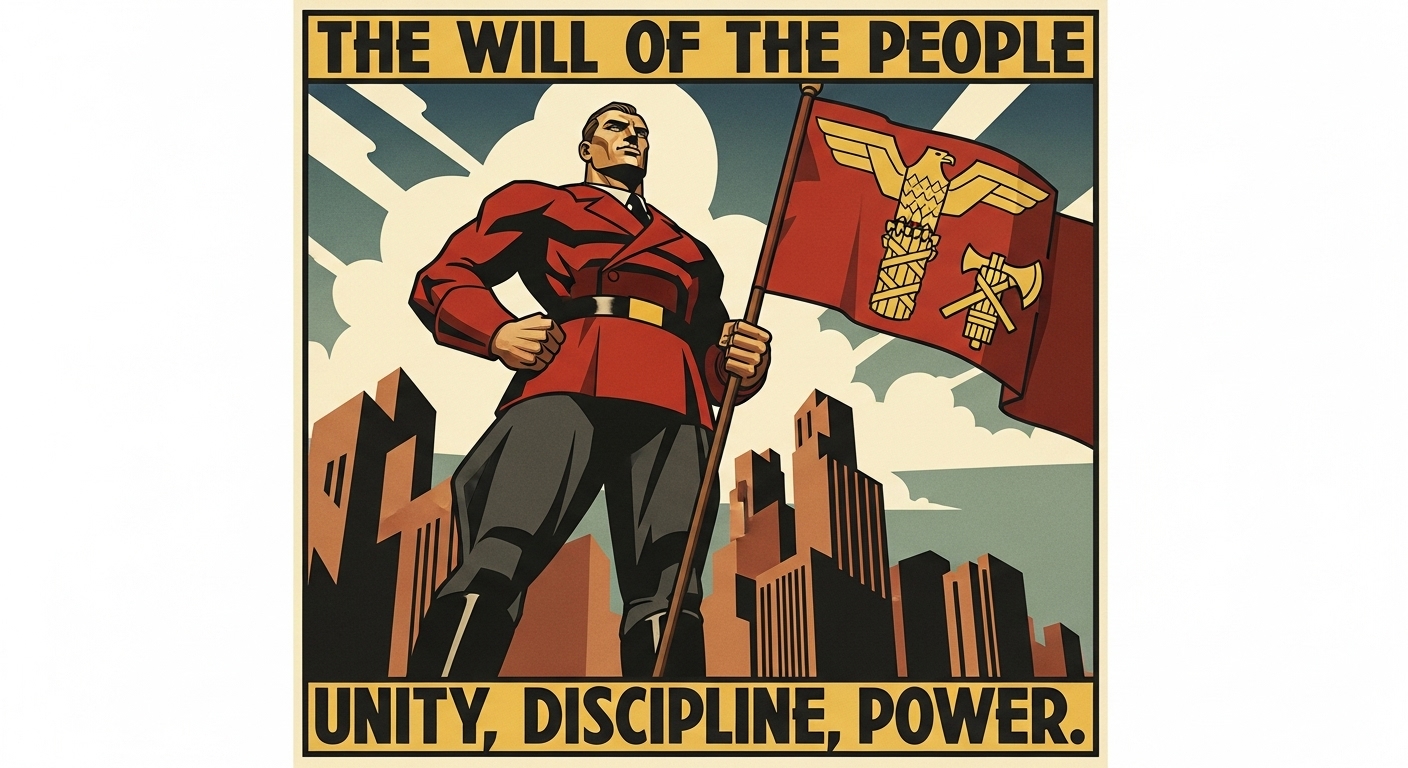
Fascism, a term that often evokes strong emotions and heated debates, has left an indelible mark on history. Originally emerging in the early 20th century, this political ideology has woven itself into the fabric of societies across Europe and beyond. While many associate fascism with authoritarian rule and extreme nationalism, its roots delve deeper into complex socio-political dynamics. Understanding fascisterne—what they stand for and how they’ve evolved—is essential to grasping both past events and current affairs.
From charismatic leaders who shaped nations to movements that ignited fear and division, the story of fascism is far from straightforward. It challenges us to confront uncomfortable truths about power, identity, and resistance. As we explore key figures, ideologies, and controversies surrounding fascist movements throughout history—and even in modern times—we’ll uncover not only their impact but also our responsibility as individuals living in a world influenced by these forces today. Join us on this journey through time as we unravel the rise of fascisterne—a topic that remains pertinent now more than ever.
Key Figures and Ideologies of Fascism
Fascism has been shaped by various key figures and ideologies that have left a lasting impact on its identity. Benito Mussolini, often hailed as the father of fascism, emphasized nationalism and the importance of state power over individual rights. His vision fueled movements across Europe.
Adolf Hitler took these ideas further with his own brand of fascism, intertwining them with extreme racism and anti-Semitism. The concept of Aryan supremacy became central to Nazi ideology, driving horrific actions during World War II.
Other influential figures include Francisco Franco in Spain and Oswald Mosley in Britain. Each leader adapted fascist principles to fit their national contexts while promoting authoritarian governance.
At its core, fascism thrives on concepts like militarism, anti-communism, and collectivist nationalism. These ideologies create an environment where dissent is stifled in favor of unity under a singular vision for society’s future.
The Spread and Impact of Fascism in Europe
Fascism spread across Europe in the early 20th century, taking root in various nations. Countries like Italy and Germany became central to this ideology’s rise, each fostering a distinct version of fascist thought.
In Italy, Benito Mussolini championed nationalism and authoritarian governance. His regime emphasized state control and military strength. This model inspired similar movements elsewhere.
Germany followed suit under Adolf Hitler, whose blend of extreme nationalism and racial supremacy led to catastrophic consequences. The Nazi Party adopted fascist principles but infused them with their own toxic ideologies.
The impact was profound and far-reaching. Fascist regimes dismantled democratic institutions, suppressed dissenting voices, and instilled fear throughout society. Economic turmoil provided fertile ground for these movements to flourish as people sought stability amidst chaos.
As they gained power, the repercussions extended beyond national borders—leading to widespread conflict during World War II that reshaped the European landscape forever.
The Rise of Fascist Movements in the United States
Fascist movements in the United States have gained traction, particularly during times of social upheaval. Economic strife and political division create fertile ground for extremist ideologies to flourish.
Groups advocating fascist principles often exploit fears surrounding immigration, globalization, and cultural change. They frame their narratives around a vision of national unity that resonates with certain segments of the population.
In recent years, we’ve witnessed rallies and public demonstrations where these ideas are front and center. The use of symbols reminiscent of historical fascism raises alarms across various communities.
Social media plays a crucial role in spreading these ideologies quickly. Online platforms allow like-minded individuals to connect, organize events, and amplify their messages far beyond local boundaries.
Despite facing pushback from many quarters, these movements continue to exert influence on American politics today. Voter sentiment may be swayed by their rhetoric as they tap into deep-seated frustrations within society.
Controversies Surrounding Fascism
Fascism has long been a topic of heated debate. Critics argue that its authoritarian principles undermine democracy and promote violence. The movement’s historical associations with war crimes and genocide haunt its legacy.
Supporters often claim fascism promotes national unity and social order. They view it as a reaction to perceived threats from socialism or liberalism. This conflicting perspective fuels ongoing discussions about the legitimacy of such ideologies.
Public perception shifts depending on context, leading to varying definitions of what constitutes fascist beliefs today. Some scholars argue that modern movements may exhibit traits reminiscent of past fascist regimes without fully embodying them.
Moreover, the term “fascist” is frequently weaponized in political discourse, complicating genuine conversations around ideology. As society grapples with these complexities, understanding the nuances becomes crucial for any meaningful dialogue about this contentious subject.
Modern Day Examples of Fascist Influence
In today’s world, the influence of fascist ideologies can be seen across various countries. Some political groups openly embrace nationalist rhetoric and anti-immigrant sentiments. This often fuels divisive politics.
Social media platforms have become breeding grounds for extremist views. Memes and slogans echoing fascist ideas circulate widely, reaching audiences far beyond traditional boundaries. These digital spaces enable like-minded individuals to connect and reinforce their beliefs.
Some governments exhibit authoritarian tendencies reminiscent of past regimes. Policies targeting minorities or dissenters raise alarms among human rights advocates.
Additionally, street protests led by far-right groups demonstrate a resurgence of confrontational tactics. Such gatherings often blur the lines between patriotism and xenophobia, complicating public discourse on national identity.
These manifestations illustrate how historical ideologies adapt to contemporary contexts, shaping societies in ways that merit scrutiny and awareness.
Combating Fascism: How Individuals and Governments Can Take Action
Combatting fascism requires a multi-faceted approach from both individuals and governments. Education plays a crucial role. Awareness campaigns can enlighten citizens about the dangers of extremist ideologies.
Grassroots movements are vital too. Community organizing fosters solidarity, creating spaces where people can discuss and dismantle oppressive narratives together.
Governments must enforce laws that protect against hate speech and discrimination. Strengthening anti-discrimination policies shows commitment to equality for all citizens.
Additionally, promoting inclusive dialogue is essential. Open discussions across diverse groups encourage understanding while dismantling stereotypes.
Support local organizations that challenge hateful rhetoric through art, literature, or activism. These initiatives empower communities to resist divisive ideologies actively.
Voting in elections with an eye toward candidates who prioritize civil rights can change policy landscapes significantly. Engaged citizenship is a powerful tool against rising extremism in society today.
Conclusion
Fascism, often referred to as Fascisterne in different contexts, represents a complex and controversial chapter in political history. Its roots stretch back to the early 20th century, yet its ideologies still resonate today. The figures who championed fascist ideals shaped not only their nations but also influenced global politics.
As we explore the spread of fascism across Europe and its resurgence in places like the United States, it becomes evident that this movement’s impact is far-reaching. While some view it through a historical lens, others see elements of these ideologies re-emerging in modern-day politics.
The controversies surrounding fascism cannot be ignored. Discussions about nationalism, authoritarian governance, and racial superiority ignite passionate debates worldwide. Understanding these discussions is vital for those seeking clarity on contemporary issues linked to extremism.
Modern examples demonstrate that while overt fascist movements may have less visibility than before, their influence endures within certain segments of society. Social media platforms can amplify radical voices and connect like-minded individuals globally.
Combatting such ideologies requires engagement from both individuals and governments alike. Promoting education around democracy and inclusivity plays a crucial role in countering extremist narratives.
Addressing how we respond to rising hate groups or divisive rhetoric will shape our collective future significantly. By fostering open dialogue, communities can work toward dismantling harmful beliefs rooted in fear rather than understanding—ensuring that history does not repeat itself under any guise labeled as Fascisterne or otherwise.