
 By Oscar James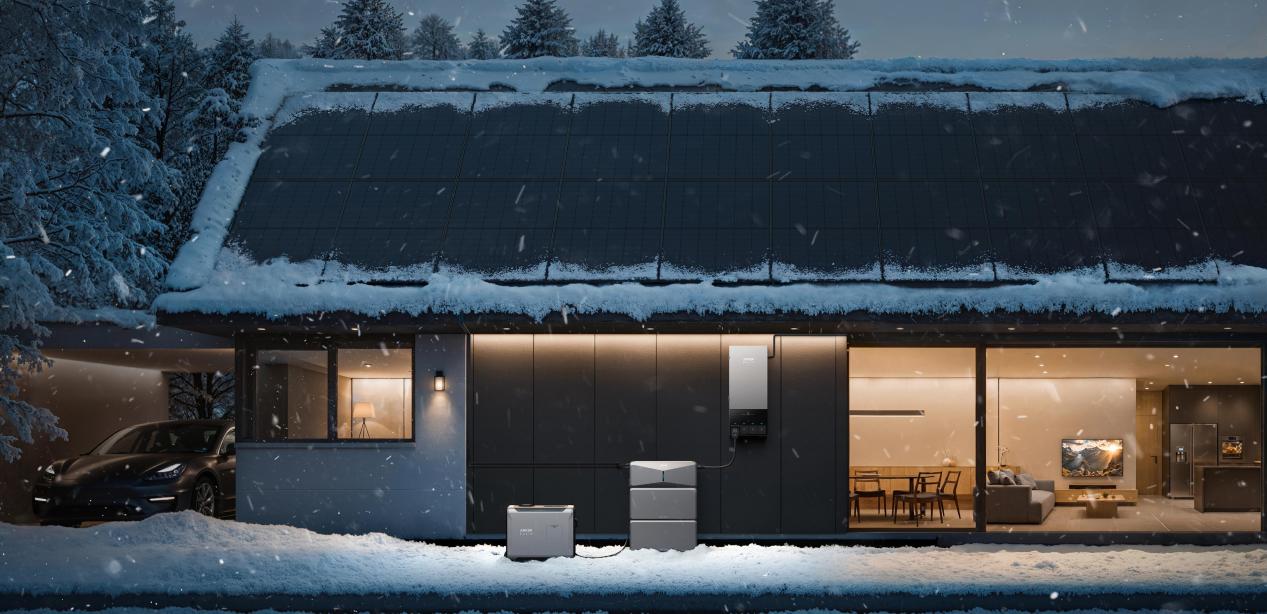
Preparation turns sudden power loss from a crisis into a manageable inconvenience for most households. Modern families rely on electricity for refrigeration, communication, heating controls, and basic safety systems, which makes outages more disruptive than they once were. A clear plan reduces stress and helps every family member understand what to do when the lights go out. Backup power solutions, combined with practical household habits, form the backbone of outage readiness. In this article, a step-by-step and realistic approach is explained to help families prepare for unexpected power outages with confidence.
- Assess Your Family’s Specific Needs
Listing Essential Medical and Safety Devices
The first step in outage planning is identifying devices that protect health and safety. Medical equipment, such as powered beds or breathing aids, must be prioritized without compromise. Security systems, smoke detectors with backup charging needs, and emergency lighting also belong on this list. Knowing exactly which devices cannot lose power prevents dangerous oversights. This assessment shapes every later decision about backup capacity and system type.
Determining Your “Must-Power” Appliances
Not every appliance needs electricity during an outage, and distinguishing essentials from conveniences is important. Refrigerators, freezers, internet routers, and a few lights usually rank highest for daily living stability. Heating or cooling systems may also be critical depending on the climate and household members. Listing wattage requirements helps avoid underpowered setups that trip breakers or overload systems. This realistic approach keeps costs controlled while maintaining comfort.
- Plan Your Backup Power: The Generator Decision
Why a Home Backup Generator Provides Total Coverage
A home backup generator is designed to support multiple household circuits automatically when grid power fails. This type of system restores normal routines quickly by keeping major appliances and systems running together. Automatic operation removes the need for late-night setup during storms or emergencies. Whole-home coverage is especially valuable for families with children or elderly members. For reliable, hands-off protection, systems like Anker SOLIX provide intelligent backup that powers your essential loads seamlessly.
Portable Generators: A Flexible Alternative
Portable generators offer flexibility for families who experience occasional or short outages. They can be stored when not needed and used only for selected appliances. Setup usually requires manual connection and careful placement outdoors for safety. While they do not power an entire home, they provide meaningful support during temporary disruptions. For many families, portability balances cost and capability effectively.
- Secure Your Home and Supplies
Building a 72-Hour Emergency Kit
Backup power works best when combined with basic emergency supplies. A 72-hour kit typically includes water, non-perishable food, batteries, flashlights, and basic medical items. Power outages often affect stores and fuel access, making early preparation essential. Keeping supplies organized in one location saves time during stressful moments. This kit supports comfort and safety regardless of power availability.
Protecting Pipes and Preventing Food Waste
Power outages can create secondary problems, such as frozen pipes or spoiled food. Insulating exposed plumbing and knowing how to drain pipes reduces damage risks during winter outages. Freezers and refrigerators benefit from remaining closed as much as possible to maintain cold temperatures. Backup power for refrigeration can prevent costly food loss over extended outages. These small habits protect both the home and the household budget.
- Develop and Practice a Family Action Plan
Safe Generator Operation and Fuel Safety
Safety planning is a cornerstone of reliable backup power. While proper ventilation and fuel storage remain important, modern integrated energy systems are designed to build safety directly into their operation. For example, Anker SOLIX home energy setups incorporate automated monitoring and intelligent load management, which coordinate battery storage with generator output to maintain a stable power supply—delivering up to 7.6kW of continuous power and supporting turbo output up to 10kW. This closed-loop control reduces reliance on manual intervention during outages, minimizes the risk of overloads, and helps ensure that power is delivered smoothly and safely, even in demanding conditions.
Communication Strategies When the Power Is Out
Clear communication prevents confusion during outages. Families should decide how information will be shared when phones or internet access are limited. Backup charging options for phones help maintain contact with relatives or emergency services. A designated meeting point inside the home improves coordination in the dark. Practicing these steps ensures calm and organized responses.
- Maintain Readiness Year-Round
Preparedness is not a one-time task but an ongoing habit. Backup systems should be tested periodically to confirm proper operation. Supplies need refreshing as food expires or family needs change. Seasonal checks help address weather-specific risks such as heatwaves or freezing temperatures. Systems that combine power management and monitoring, including battery modules with around 6kWh capacity that can be expanded over time, support long-term flexibility without constant upgrades. Consistent attention keeps readiness strong without becoming burdensome.
Conclusion
Unexpected power outages are part of modern life, but their impact can be reduced with thoughtful preparation. Assessing real household needs, choosing appropriate backup power, and building simple routines create resilience. Safety practices and communication planning further protect family well-being. With practical steps and realistic expectations, families can face outages calmly. Preparation transforms uncertainty into control and keeps daily life moving forward even when the grid goes dark.