
 By Oscar James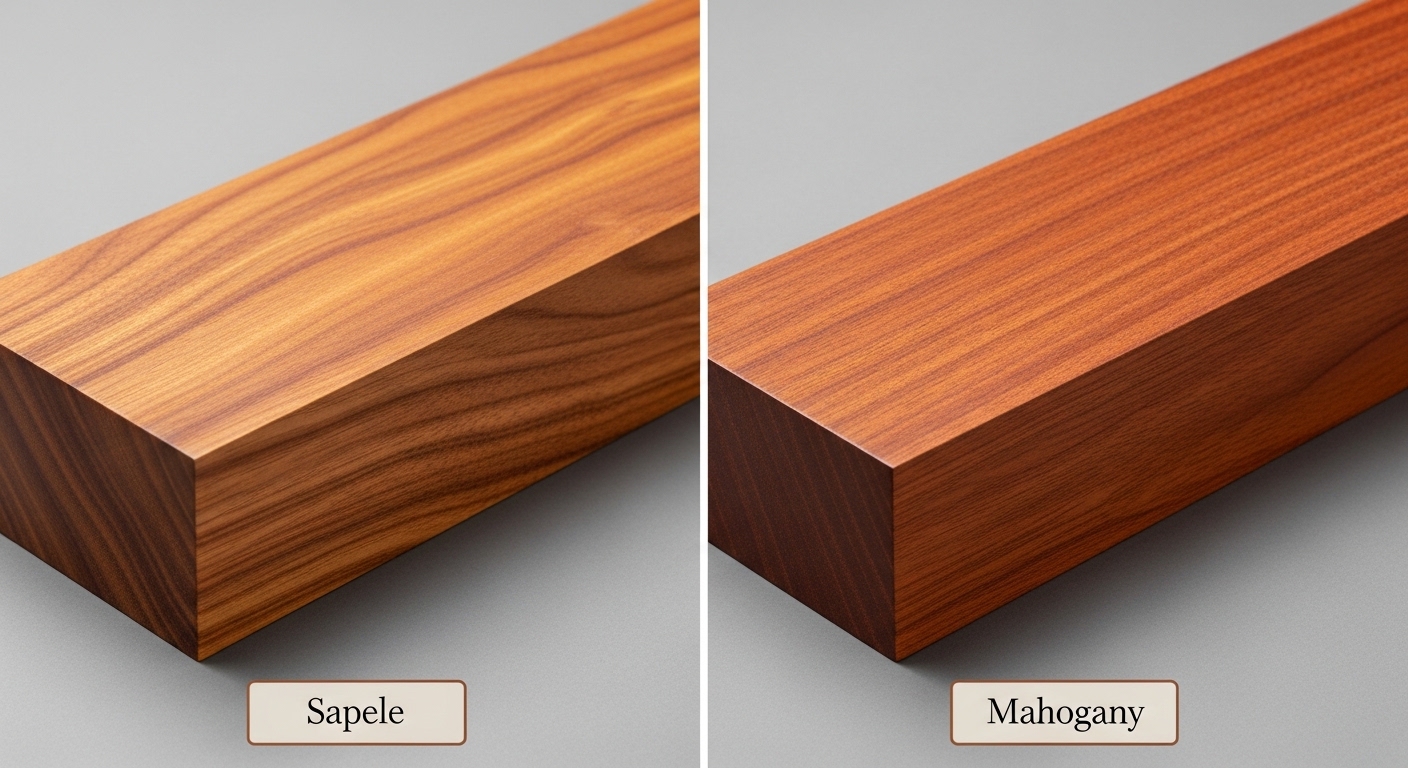
When it comes to woodworking, choosing the right type of wood can make all the difference. Two popular choices that often spark debate among artisans and DIY enthusiasts are sapele and mahogany. Both woods have unique characteristics that appeal to different tastes and applications. But what sets them apart? If you’re weighing your options in this vibrant world of timber, understanding their differences is essential for making an informed decision. Let’s dive deeper into the fascinating traits of sapele vs mahogany, exploring everything from appearance to sustainability unlocking insights that will guide you on your next project!
What is Sapele vs Mahogany?
Sapele and mahogany are two popular hardwoods often used in furniture making. While they may appear similar at first glance, their differences set them apart.
Sapele is native to Africa and belongs to the Mahogany family. It boasts a fine grain pattern with a warm reddish-brown hue. The wood is known for its interlocking grain, which adds character and depth.
Mahogany, on the other hand, has been cherished for centuries. This classic wood comes primarily from Central America and parts of the Caribbean. Its straight grain and rich color range from golden brown to deep reddish-brown—make it highly sought after.
Both woods have unique qualities that appeal to craftsmen and designers alike. Understanding these distinctions can help you make informed choices when selecting materials for your next project or piece of furniture.
Appearance and Texture Comparison
When it comes to appearance, Sapele and Mahogany each have their distinct charm. Sapele showcases a rich reddish-brown hue with golden undertones. Its grain is often interlocked, creating a beautiful chatoyancy that catches the light in unique ways.
Mahogany, on the other hand, tends to display a more uniform color palette ranging from deep red to dark brown. The straight grain of Mahogany offers an elegant look that’s smooth and refined.
In terms of texture, both woods feel luxurious under touch. Sapele has a slightly coarser texture compared to Mahogany’s silky surface. This difference can influence finishing techniques; while Sapele may require more preparation for stains or varnishes, Mahogany typically takes finishes beautifully due to its fine grain.
Choosing between them often comes down to personal preference in aesthetics and tactile experience.
Durability and Strength Comparison
When comparing sapele and mahogany, durability and strength play crucial roles in the decision-making process. Sapele wood boasts a high density, making it quite resilient against wear and tear. This characteristic enables it to withstand heavy usage while maintaining its structural integrity.
On the other hand, mahogany is renowned for its excellent stability. It resists warping and shrinking better than many other woods. This quality ensures that furniture made from mahogany remains intact even in fluctuating humidity levels.
Both types of wood have their strengths. Sapele is often favored for projects requiring robust performance under stress, while mahogany shines in applications where aesthetic appeal meets lasting durability. Choosing between them means weighing personal preferences alongside practical needs, as each has unique advantages tailored to specific uses.
Cost Comparison
When comparing sapele and mahogany, cost is a significant factor. Sapele typically falls on the lower end of the price spectrum. This makes it an attractive option for budget-conscious projects.
Mahogany, known for its rich history and luxurious appeal, often comes with a higher price tag. Its demand in high-end furniture can drive costs up considerably.
The availability of both woods also plays a role in pricing. Sapele is more widely sourced and thus more affordable. In contrast, some varieties of mahogany are becoming increasingly rare due to overharvesting.
It’s important to consider not just upfront costs but long-term value as well. While mahogany may be pricier initially, its durability could mean fewer replacements down the line.
In any case, your choice will ultimately depend on personal preference and project requirements.
Uses in Furniture Making
Sapele and mahogany are both popular choices in furniture making, each bringing its distinct qualities to the table. Sapele is often favored for its striking grain patterns and reddish-brown hue. This wood works beautifully in modern designs, adding warmth and character.
Mahogany’s rich color and smooth texture make it a classic choice for traditional furniture pieces. Its luxurious appearance enhances everything from dining tables to cabinets. Mahogany’s stability ensures that these pieces withstand the test of time.
Both woods are easy to work with, allowing craftsmen to create intricate details and fine finishes. Whether used in contemporary or classic styles, sapele and mahogany elevate any space they inhabit.
Beyond aesthetics, their durability makes them ideal for high-use items like chairs or desks. The unique properties of each wood allow designers to cater to diverse tastes while ensuring function meets form seamlessly.
Sustainability and Environmental Impact
Sapele and mahogany both have distinct environmental footprints. Sapele, sourced primarily from Africa, is often considered a more sustainable option. Many plantations are managed responsibly, ensuring minimal impact on local ecosystems.
Mahogany, particularly the traditional varieties from Central America and South America, has faced significant overharvesting issues. This rampant logging threatens biodiversity and leads to habitat loss in affected regions.
Certifications play a crucial role in sustainability. Look for woods labeled with FSC (Forest Stewardship Council) certification when choosing either type. This ensures that the wood comes from responsibly managed forests that provide economic benefits while preserving ecological integrity.
Both types of wood can be harvested sustainably if care is taken during sourcing practices. With increasing demand for eco-friendly materials, awareness around responsible purchasing continues to grow among consumers and manufacturers alike.
Conclusion
When comparing sapele vs mahogany, it’s clear that both woods have unique characteristics that cater to different preferences and needs. Sapele offers a stunning appearance with its interlocking grain pattern, while mahogany is renowned for its rich color and smooth finish. Durability is another area where these two woods shine, though they differ slightly in strength under pressure.
Cost can be a deciding factor for many craftsmen and consumers alike; sapele often comes at a more affordable price than mahogany without compromising quality or aesthetics. When it comes to furniture making, both woods are highly versatile sapele works beautifully in modern designs while mahogany lends itself well to classic styles.
The sustainability aspect cannot be overlooked either. With responsible sourcing initiatives gaining traction, the environmental impact of using either wood is becoming increasingly favorable as long as proper practices are followed.
Your choice between sapele and mahogany will depend on factors such as budget, desired aesthetic qualities, intended use, and personal values regarding sustainability. Each wood brings something special to the table (or chair), allowing you to create pieces that resonate with your style and principles. Choose wisely based on what speaks most to you!