
 By Oscar James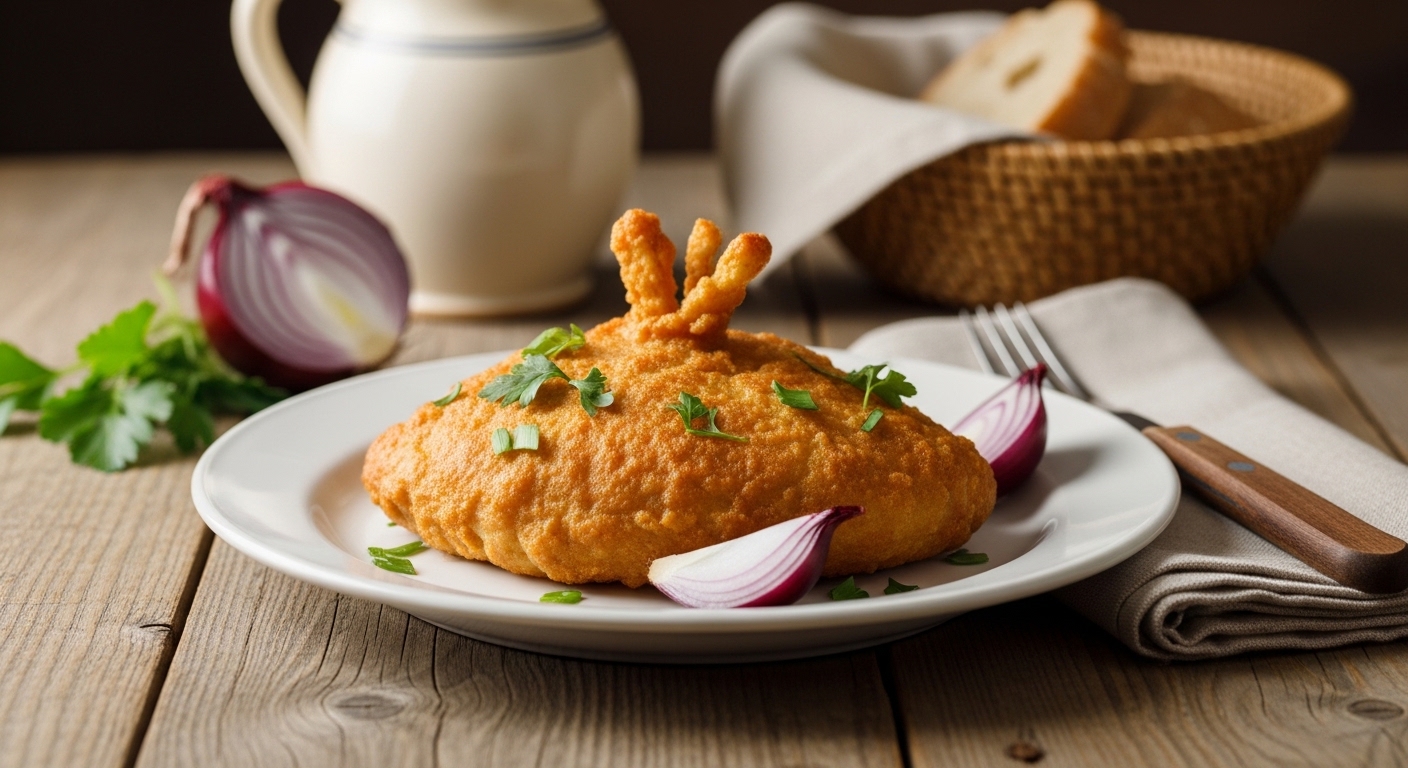
Pappedeckel is more than just a dish; it’s a culinary treasure steeped in tradition and culture. Picture this: golden-brown dumplings, soft yet hearty, filled with savory goodness that warms the soul. This unique delicacy hails from regions rich in history, where family gatherings revolve around sharing meals that connect generations. If you haven’t had the pleasure of tasting Pappedeckel yet, prepare to embark on a flavorful journey that reveals not only its delightful taste but also the stories behind it. Let’s dive into the world of Pappedeckel and discover why it’s capturing hearts—and appetites—everywhere!
History and Origins of the Dish
Pappedeckel has roots that trace back centuries. This delightful dish emerged from the heart of Germany, particularly in regions where hearty meals were a necessity for hardworking families.
Traditionally made to utilize leftover ingredients, Pappedeckel embodies resourcefulness and creativity. It became popular among farmers and laborers who needed something filling yet affordable.
The name itself translates roughly to “pasta cap” or “noodle lid,” hinting at its comforting layers of pasta enveloping various fillings. As it evolved over time, every family seemed to add their personal touch, resulting in numerous variations across the country.
Its rich history reflects not just culinary practices but also cultural exchanges within local communities. Each bite tells a story steeped in tradition—connecting generations through shared meals and cherished recipes passed down through the ages.
Ingredients and Preparation Method
Pappedeckel is a dish that showcases simplicity through its wholesome ingredients. The base typically includes hearty flour, often wheat or rye, combined with water and salt. This forms the dough, which is crucial for achieving the perfect texture.
Next comes the filling, which varies widely based on regional preferences. Common choices include potatoes, cabbage, or seasonal vegetables mixed with herbs and spices to enhance flavor.
Preparation involves rolling out the dough into thin sheets before layering it with your chosen fillings. Once assembled, it’s rolled tightly and cut into manageable portions.
Cooking methods can differ as well; some prefer boiling while others opt for baking, each lending unique flavors to this classic dish. Whichever method you choose will influence not only taste but also presentation—making Pappedeckel a delightful centerpiece at any table.
Regional Variations of Pappedeckel
Pappedeckel boasts a rich tapestry of regional variations, each reflecting local ingredients and culinary traditions.
In the northern regions of Germany, you might find versions that incorporate fish or seafood, adding a delightful twist to the classic recipe. The use of fresh herbs gives it an aromatic flair unique to this area.
Moving southward, you’ll encounter heartier renditions featuring potatoes or seasonal vegetables. These adaptations not only enhance flavor but also make the dish more filling.
Some areas even experiment with spices like paprika or cumin, infusing Pappedeckel with unexpected warmth and depth.
Each variation tells a story rooted in its locality—evidence of how food evolves while staying true to cultural identities. Discovering these differences enriches your appreciation for this beloved dish as you savor every bite.
Cultural Significance and Traditions Associated with the Dish
Pappedeckel is more than just a meal; it embodies rich cultural narratives and cherished family traditions. In many communities, preparing this dish is a ritual that brings generations together.
Families often gather in the kitchen, sharing stories and laughter while they craft their Pappedeckel. The process itself fosters connection, as each person contributes their unique touch to the recipe.
Celebrated during local festivals or holidays, Pappedeckel symbolizes unity and heritage. It serves as a reminder of roots that run deep within the culture.
Moreover, serving this dish at gatherings can be an invitation for guests to partake in its history. Each bite carries memories of past celebrations and familial bonds.
For many, enjoying Pappedeckel evokes nostalgia—a taste of home that transcends time and place. It’s not merely food; it’s a vessel for tradition and emotional warmth shared among loved ones.
Modern Twists on the Traditional Recipe
Modern chefs are reimagining Pappedeckel, blending tradition with innovation. Instead of the classic ingredients, some explore vibrant vegetables and spices to elevate flavor profiles.
One popular twist incorporates seasonal herbs like basil or cilantro for a fresh burst. Others experiment with different types of cheeses, adding creaminess that contrasts beautifully with the dish’s texture.
Vegan adaptations have emerged too. Creative cooks use plant-based alternatives to replace traditional components without sacrificing taste. This opens up Pappedeckel to a broader audience.
Gourmet versions feature unique toppings such as caramelized onions or roasted nuts, introducing unexpected crunch and depth. These variations keep the essence intact while appealing to adventurous palates.
Social media has fueled this culinary fusion, inspiring home cooks worldwide to share their takes on Pappedeckel through hashtags and foodie blogs. As traditions evolve, so does our love for this timeless dish.
How to Make Pappedeckel at Home
Making Pappedeckel at home is a delightful culinary adventure. Begin by gathering your ingredients: flour, eggs, milk, and a pinch of salt.
In a mixing bowl, combine the flour and salt. Create a well in the center and crack in the eggs. Gradually add milk while stirring until you achieve a smooth batter.
Next, let your mixture rest for about 30 minutes to enhance its texture. Then heat up a non-stick skillet over medium heat. Pour in some batter and spread it evenly across the pan.
Cook until golden brown on one side before flipping to cook the other side briefly. Once done, remove from heat and stack them on a plate.
Serve with sweet or savory toppings like fruit preserves or creamy cheeses for an authentic experience that captures the essence of tradition! Enjoy sharing this unique dish with family or friends as you relish each bite together.
Conclusion: Why You Should Try This Delicious and Meaningful Dish
Pappedeckel is a dish that encapsulates rich history and vibrant flavors. Its unique preparation method makes it stand out in the culinary landscape. The combination of simple ingredients transforms into something extraordinary, representing not just sustenance but also traditions passed down through generations.
Every bite tells a story steeped in culture and community. Whether you’re enjoying it at a family gathering or trying your hand at making it yourself, Pappedeckel connects you to its origins and the people who cherish it. This dish invites exploration, encouraging both familiarity and creativity.
By embracing this delightful recipe, you’ll discover not only its taste but also the joy of tradition intertwined with modern adaptations. It’s an experience worth savoring—one that celebrates heritage while delighting your palate. Give Pappedeckel a try; you may just find a new favorite dish that enriches both your dining table and your heart.