
 By Oscar James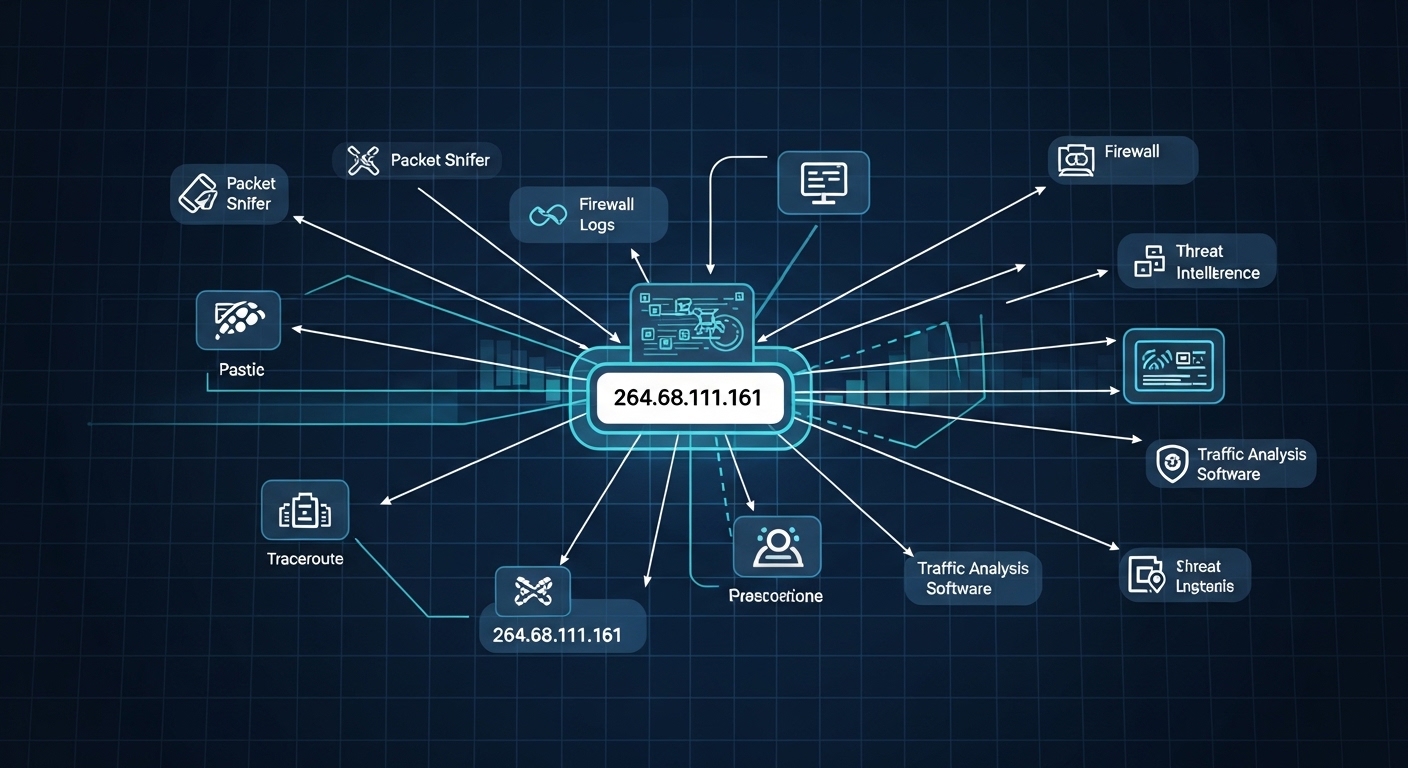
Have you ever wondered how your online activity is tracked? Or maybe you’re curious about the mysterious digits that make up an IP address like 264.68.111.161? Understanding IP addresses can unlock a treasure trove of information about internet traffic, user behavior, and even security threats. In today’s digital landscape, tracing and analyzing traffic from specific IPs is more crucial than ever for individuals and businesses alike.
Whether you’re looking to enhance your cybersecurity measures or simply satisfy your curiosity about where data flows from, knowing how to work with an IP address can give you valuable insights. Let’s dive into the fascinating world of IP addresses and discover what makes them tick!
What is 264.68.111.161?
264.68.111.161 is an IP address that belongs to the Internet Protocol version 4 (IPv4). It serves as a unique identifier for devices connected to a network.
When you see this number, think of it as a digital address in the vast online space. Each segment delineates specific information about its location and origin.
This particular IP can be part of various networks, including personal computers or servers spread across different geographical regions. Its significance lies in how it helps route data packets on the internet efficiently.
Understanding this IP opens doors to tracing back activities related to a device, which can range from security checks to analyzing traffic patterns. It’s crucial for those delving into cybersecurity or network management fields.
Understanding the Components of an IP Address
An IP address is like a digital home address for devices on the internet. Each part of it holds specific information that helps identify location and network.
Typically, an IPv4 address consists of four numbers separated by periods. Each number can range from 0 to 255. This structure allows for over four billion unique addresses.
The first segment usually identifies the network itself, while the remaining segments specify individual devices within that network.
IPv6 addresses, on the other hand, are longer and utilize hexadecimal notation. They were developed to accommodate the shortage of available IPv4 addresses.
Understanding these components is crucial for tracing connections and analyzing traffic effectively. When you know how they work together, you’ll have greater insight into data movement across networks.
The Importance of Tracing and Analyzing Traffic from an IP Address
Tracing and analyzing traffic from an IP address is crucial for many reasons. It provides insights into user behavior, helping businesses tailor their offerings based on actual data.
Understanding where your visitors come from can enhance marketing strategies. Geographic information allows companies to target specific demographics effectively.
Moreover, it plays a vital role in cybersecurity. Identifying the source of unusual activity helps prevent potential threats and attacks.
Monitoring traffic patterns also aids in optimizing website performance. By analyzing which IP addresses access your site most frequently, you can improve server load management.
Additionally, knowing how users interact with content informs better design choices. This leads to improved user experiences and increased engagement rates over time.
Methods for Tracing an IP Address
Tracing an IP address can be a straightforward process if you know the right methods. One common approach is using online tools that provide geolocation services. These platforms allow users to input an IP address and receive information about its approximate location.
Another method involves utilizing command-line tools like “tracert” or “ping.” These commands help track the path packets take across networks, revealing valuable details about each hop along the way.
For those with more technical expertise, network monitoring software can offer deeper insights into traffic patterns associated with specific IP addresses. This software often includes features for real-time analysis and historical data comparison.
Collaborating with internet service providers (ISPs) may yield additional information regarding an IP’s origin. ISPs maintain extensive records that are not always accessible to the public but can assist in tracing back certain activities linked to their assigned addresses.
Tools for Analyzing Traffic from an IP Address
Analyzing traffic from an IP address can be streamlined with the right tools. Various options are available, catering to different needs and expertise levels.
One popular choice is Wireshark. This network protocol analyzer captures packets in real-time, allowing users to dissect data flowing through their networks. It’s perfect for those who want granular insights.
For web analytics, Google Analytics stands out. While it doesn’t provide direct IP analysis, you can track user behavior linked to specific IPs by integrating additional scripts or using custom reports.
Another option is GeoIP Lookup services. These tools provide geographical information based on the IP address, helping businesses understand where their visitors are coming from and tailor content accordingly.
There are specialized cybersecurity solutions like Splunk that offer advanced capabilities for monitoring and analyzing traffic patterns related to suspicious activities connected with certain IP addresses. Each tool offers unique advantages depending on your objectives and technical skills.
Real-Life Applications of Tracing and Analyzing IP Addresses
Tracing and analyzing IP addresses can be incredibly useful in various scenarios. For businesses, it provides insights into customer behavior. Companies can see where their visitors are coming from, allowing them to tailor marketing strategies effectively.
Law enforcement agencies also rely on IP tracing for cybercrime investigations. Identifying the source of malicious activities helps in tracking down perpetrators and preventing future incidents.
In cybersecurity, organizations analyze IP traffic patterns to detect potential threats or unauthorized access attempts. This proactive approach enhances overall network security.
Further, educators and researchers use IP analysis to study online engagement levels across different regions. Understanding these trends aids in developing content that resonates with diverse audiences.
Nonprofits may utilize this information to gauge interest in campaigns based on geographic data, optimizing outreach efforts for maximum impact. Each application showcases the versatility of IP analysis across sectors.
Conclusion
Tracing and analyzing traffic from an IP address like 264.68.111.161 can provide valuable insights for various purposes, whether it’s for enhancing cybersecurity or understanding user behavior on a website. By grasping the components of an IP address and employing effective methods and tools, individuals and businesses alike can gain a clearer picture of their online landscape.
The importance of such analysis cannot be overstated in today’s digital age where information is paramount. From marketers wanting to target specific demographics to IT professionals safeguarding networks, knowing how to effectively use IP addresses is essential.
As technology continues to evolve, being equipped with the right knowledge about tracing IPs will become even more crucial for informed decision-making in both personal and professional realms. Embracing these practices will not only help mitigate risks but also harness opportunities that arise from understanding web traffic patterns tied to specific IP addresses like 264.68.111.161.